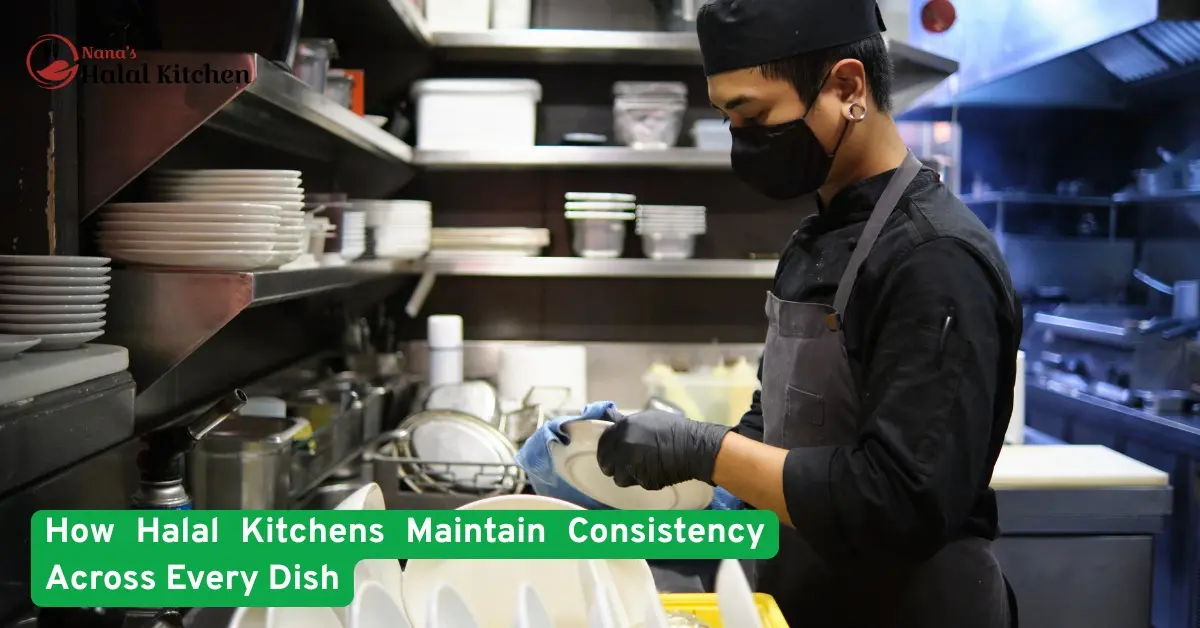
Ever wondered why that first bite of succulent, spiced chicken tastes exactly the same today as it did six months ago? In the world of high-stakes dining, How Halal Kitchens Maintain Consistency Across Every Dish is the difference between a one-time visit and a lifelong loyalist.
For the modern American diner seeking dietary integrity, the search isn’t just for “Halal”—it is for reliability. You are likely here because you’ve experienced the frustration of “hit-or-miss” meals; one day the seasoning is perfect, the next it’s lacking. Research indicates that nearly 60% of consumers will not return to a restaurant after just one inconsistent food experience. This content explores the rigorous systems, sourcing, and soul required to ensure that every plate serves as a testament to quality, solving your search for a dependable dining partner.
The Pillar of Standardized Preparation
The foundation of a reliable meal begins long before the stove is lit. To master How Halal Kitchens Maintain Consistency Across Every Dish, operators must implement “Standard Operating Procedures” (SOPs).
Unlike conventional kitchens, a Halal-certified environment manages an extra layer of complexity: maintaining the Zabiha integrity of every ingredient. Consistency is achieved through:
- Precision Recipe Scaling: Using digital scales instead of “eyeballing” spices ensures the flavor profile remains identical, whether cooking for two or two hundred.
- Temperature Calibration: Consistency isn’t just flavor; it’s texture. Constant monitoring of grill and oven temperatures ensures meat remains juicy and never overcooked.
- Station Specialization: By assigning specific chefs to specific tasks—be it the marination process or the final sear—the kitchen develops a “muscle memory” that guarantees uniform results.
The Role of Ethical Sourcing and Supply Chains
You cannot have a consistent output with inconsistent input. Top-tier kitchens partner with trusted farms to ensure the grain-fed quality of the meat never wavers. In the USA, the Halal market has shifted toward organic and farm-to-table models. When the raw protein is of a high standard, the chef doesn’t have to “mask” variations with heavy salts or sauces.
Training as a Cultural Core
Consistency is a human endeavor. It requires a team that understands why a certain cut of beef must be sliced against the grain or why a specific saffron-to-rice ratio is non-negotiable. Ongoing training sessions ensure that even when new staff joins, the “soul” of the recipe remains unchanged. This focus on How Halal Kitchens Maintain Consistency Across Every Dish ensures that the guest experience is never a gamble.
Frequently Asked Questions
1. Does Halal certification affect the taste of the food?
No, Halal refers to the ethical and religious method of slaughter and preparation. However, many find that the cleaner processing leads to a fresher, more tender meat texture.
2. How do kitchens ensure cross-contamination doesn’t happen?
Strict Halal kitchens use dedicated utensils, storage units, and prep surfaces that never come into contact with non-Halal items or alcohol-based ingredients.
3. Why does the spice level sometimes vary?
While recipes are standardized, natural ingredients like peppers can vary in heat. Master kitchens combat this by batch-testing sauces before service.
4. Is Halal food only Mediterranean or Middle Eastern?
Not at all! Halal is a dietary standard. You can find Halal-consistent Italian, Chinese, and American cuisines.
5. How is “consistency” measured in a kitchen?
Through regular “line checks” where managers taste every component of a dish before the doors open to the public.
6. Do Halal kitchens use different cooking oils?
Yes, they must use plant-based oils or Halal-certified fats, avoiding any lard or animal by-products that are not permissible.
7. Is frozen meat used to maintain consistency?
While some use it, premium kitchens prefer fresh, never-frozen meat to maintain the highest standard of flavor and texture consistency.
Why Choose Nana Halal Kitchen?
At Nana Halal Kitchen, we believe that trust is earned one plate at a time. We don’t just follow recipes; we follow a heritage of quality. Our unique selling point lies in our dual commitment to traditional Zabiha standards and modern culinary precision.
By leveraging local, premium suppliers and rigorous staff training, we have mastered How Halal Kitchens Maintain Consistency Across Every Dish. When you dine with us, you aren’t just getting a meal; you are getting a guarantee that the flavors you love will be waiting for you, exactly as you remember them.
Your Seat at the Table Awaits
Consistency is the ultimate form of respect for a guest. Now that you understand the craft and care that goes into every bite, it’s time to taste the difference for yourself. Whether you are craving a familiar favorite or exploring Halal cuisine for the first time, we invite you to experience a meal that never compromises.