
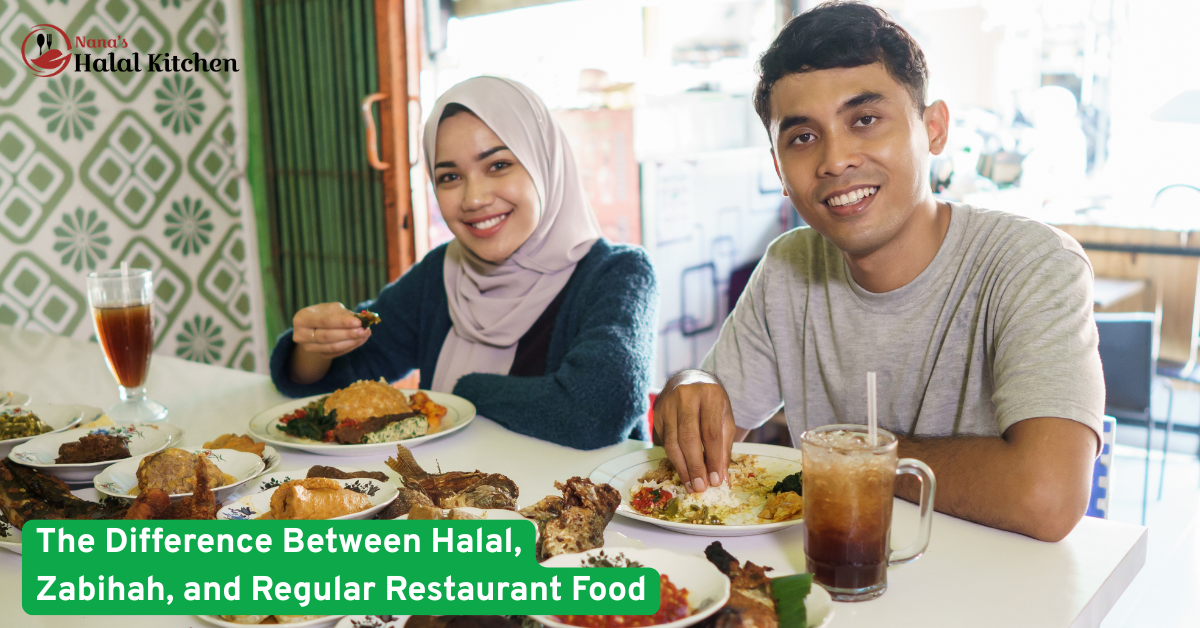
The Difference Between Halal, Zabihah, and Regular Restaurant Food

0

When dining out or ordering food, many people see labels like halal, zabihah, or simply assume food is “regular.” While these terms are often used interchangeably, they actually represent very different food standards, preparation methods, and religious guidelines. Understanding the difference helps consumers make informed, confident choices—especially when authenticity and trust matter.

At halal-focused restaurants like Nana’s Halal Kitchen, these distinctions are taken seriously to ensure food meets proper Islamic dietary requirements.

What Does Halal Food Really Mean?

The word halal means permissible in Islam. When food is labeled halal, it must comply with Islamic dietary laws derived from the Quran and Hadith.

Key halal requirements include:

  • No pork or pork by-products
  • No alcohol or intoxicants used in cooking
  • Meat must come from halal animals
  • Food must be prepared using clean, uncontaminated equipment

However, it’s important to note that halal does not automatically mean zabihah. This is where confusion often begins.

What Is Zabihah Halal Meat?

Zabihah refers specifically to the Islamic method of slaughtering animals. It is a subset of halal, not a replacement for it.

For meat to be considered zabihah:

  • The animal must be healthy at the time of slaughter
  • A Muslim must perform the slaughter
  • The name of Allah must be recited before cutting
  • The throat, windpipe, and blood vessels are cut swiftly
  • Blood is fully drained from the body

Many Muslims only consume zabihah halal meat because it strictly follows prophetic guidelines. This makes zabihah the highest standard of halal meat preparation.

Regular Restaurant Food Explained

Regular restaurant food generally follows no religious dietary guidelines unless stated otherwise. While it may be safe and delicious, it often includes elements that make it haram (impermissible) for Muslims.

Common concerns with regular restaurant food:

  • Meat may be pork-based or non-halal slaughtered
  • Alcohol used in sauces, marinades, or cooking
  • Cross-contamination with pork, bacon grease, or alcohol
  • No separation of cooking equipment

Even dishes that appear “vegetarian” may contain hidden ingredients like alcohol-based flavorings or animal-derived additives.

Halal vs Zabihah vs Regular Food (Quick Comparison)

Halal Food

  • Follows Islamic dietary rules
  • Avoids pork and alcohol
  • Meat may or may not be zabihah

Zabihah Halal Food

  • Meets all halal rules
  • Meat is slaughtered according to Islamic law
  • Preferred by many Muslim consumers

Regular Restaurant Food

  • No religious compliance
  • Alcohol and pork commonly used
  • High risk of cross-contamination

Why This Difference Matters to Consumers

Understanding these distinctions is not just about religion—it’s about trust, transparency, and food integrity.

For Muslim diners:

  • Zabihah ensures full religious compliance
  • Halal certification provides peace of mind
  • Regular food often carries uncertainty

For non-Muslims:

  • Halal and zabihah foods are often cleaner, ethically sourced, and carefully prepared
  • Strict hygiene standards improve overall food quality

This is why halal-focused restaurants are gaining popularity beyond Muslim communities.

How Halal Restaurants Maintain Standards

Authentic halal restaurants:

  • Source verified halal or zabihah-certified meat
  • Avoid alcohol entirely in the kitchen
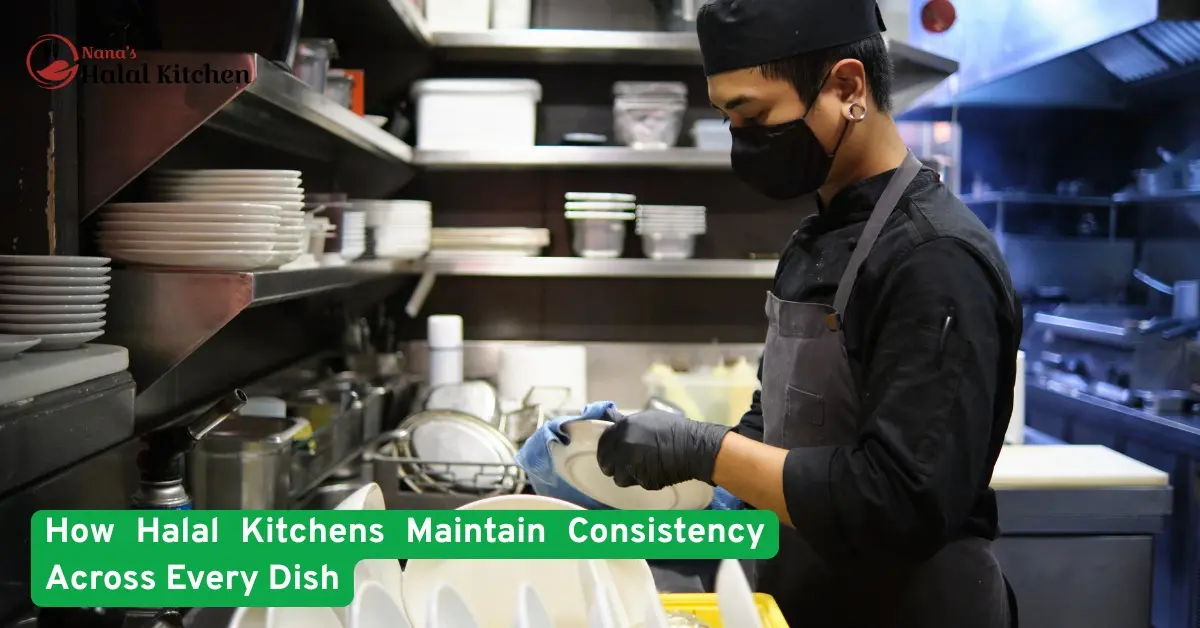
  • Train staff on halal handling procedures
  • Use separate equipment to prevent contamination

These practices ensure customers receive food that aligns with both religious and quality expectations.

Final Thoughts

Halal, zabihah, and regular restaurant food are not the same, and the difference goes far beyond labels. Halal defines what is permissible, zabihah defines how meat is prepared, and regular food follows no such standards.

Knowing the difference empowers diners to choose food that aligns with their beliefs, health preferences, and values—without confusion.

FAQs

1. Is all halal meat automatically zabihah?
No. Halal meat can be sourced without zabihah slaughter unless explicitly stated.

2. Can Muslims eat halal food that is not zabihah?
Some do, depending on personal beliefs, while others only eat zabihah-certified meat.

3. Why do some halal restaurants specify “zabihah only”?
To assure customers that the meat follows the strictest Islamic slaughter guidelines.

4. Is regular restaurant chicken considered halal?
No, unless the restaurant clearly states and verifies halal preparation and sourcing.

5. Are halal foods healthier than regular foods?
Halal foods often involve cleaner sourcing and preparation, which many people associate with better food quality.

Leave a Reply

Your email address will not be published. Required fields are marked *