The Complete Guide to Understanding Halal Meat

The Complete Guide to Understanding Halal Meat

0

Halal meat has gained significant popularity worldwide, not only among Muslims but also among consumers seeking quality, cleanliness, and ethical food preparation standards. Whether you’ve seen halal products at your local grocery store, visited a halal restaurant, or simply want to learn more about halal food practices, understanding what makes meat halal can help you make informed dining choices.

In this comprehensive guide, we’ll explore what halal meat is, how it is prepared, its religious significance, health considerations, and why millions of people around the world choose halal food every day.

What Does Halal Mean?

The word “Halal” is an Arabic term that means “permissible” or “lawful.” In Islamic dietary laws, halal refers to foods and beverages that are allowed for Muslims to consume.

When it comes to meat, halal guidelines cover:

  • The type of animal
  • Animal welfare practices
  • Slaughter procedures
  • Food handling methods
  • Processing and storage requirements

These principles ensure that food is prepared according to Islamic teachings while emphasizing cleanliness, quality, and respect for animals.

What Is Halal Meat?

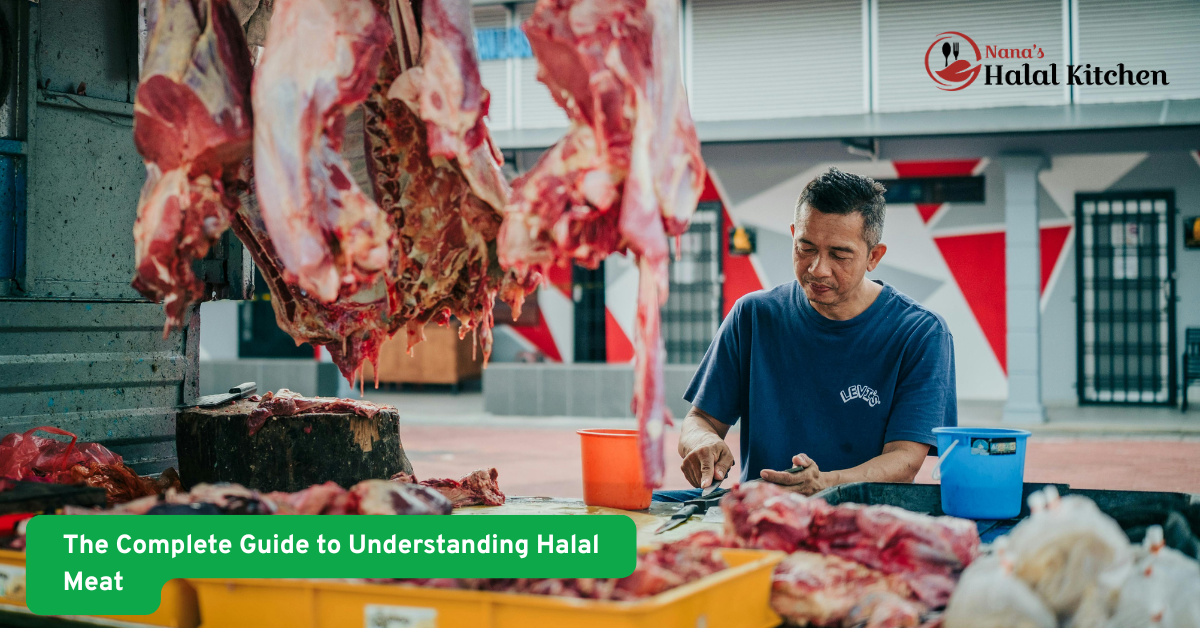
Halal meat comes from animals that are permitted under Islamic dietary laws and have been processed according to halal standards.

Common halal meat options include:

  • Chicken
  • Beef
  • Lamb
  • Goat
  • Turkey
  • Certain game birds

Animals such as pork and its by-products are not considered halal and are prohibited under Islamic dietary guidelines.

How Is Halal Meat Prepared?

One of the most important aspects of halal meat is the preparation process.

Selection of Healthy Animals

Animals must be healthy and free from disease before processing.

Humane Treatment

Islamic teachings emphasize treating animals with care and minimizing stress throughout their lives.

Halal Slaughter Process

During halal slaughter:

  • The animal is handled respectfully.
  • A trained individual performs the procedure.
  • A prayer is recited acknowledging God’s name.
  • The process is designed to be swift and efficient.
  • Blood is drained from the animal as part of the preparation process.

These requirements form the foundation of halal meat production.

The Importance of Halal Certification

Today, many restaurants, grocery stores, and food manufacturers obtain halal certification.

What Is Halal Certification?

Halal certification verifies that:

  • Ingredients meet halal requirements.
  • Food preparation follows halal standards.
  • Storage and handling procedures prevent cross-contamination.
  • Production facilities comply with halal guidelines.

Certification provides confidence for consumers seeking authentic halal products.

Why Many Consumers Choose Halal Meat

Although halal meat is primarily consumed by Muslims, people from many backgrounds choose halal products for various reasons.

Quality Standards

Halal-certified suppliers often follow strict food handling and cleanliness procedures.

Ethical Considerations

Many consumers appreciate the emphasis on animal welfare and humane treatment.

Transparency

Halal certification provides clear standards and oversight throughout the production process.

Freshness

Many halal meat suppliers prioritize freshness and careful sourcing practices.

Common Types of Halal Dishes

Halal meat is used in countless cuisines around the world.

Popular halal dishes include:

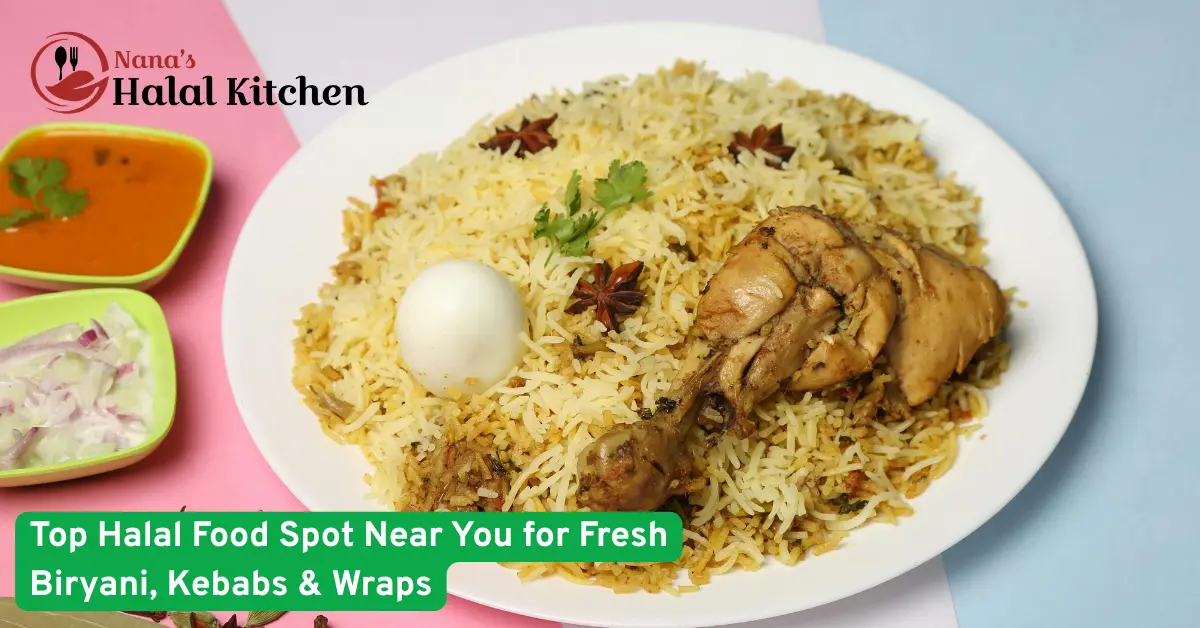
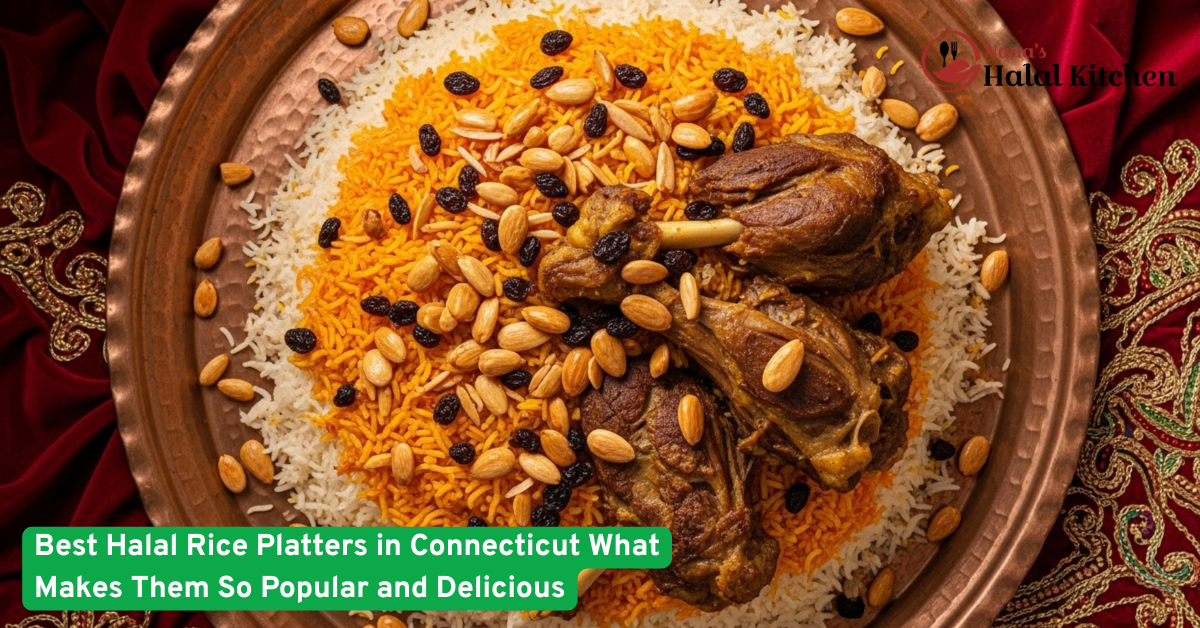
Biryani

Aromatic rice cooked with seasoned halal meat and spices.

Chicken Tikka

Marinated chicken grilled to perfection.

Gyros

Thinly sliced halal meat served with pita bread and fresh toppings.

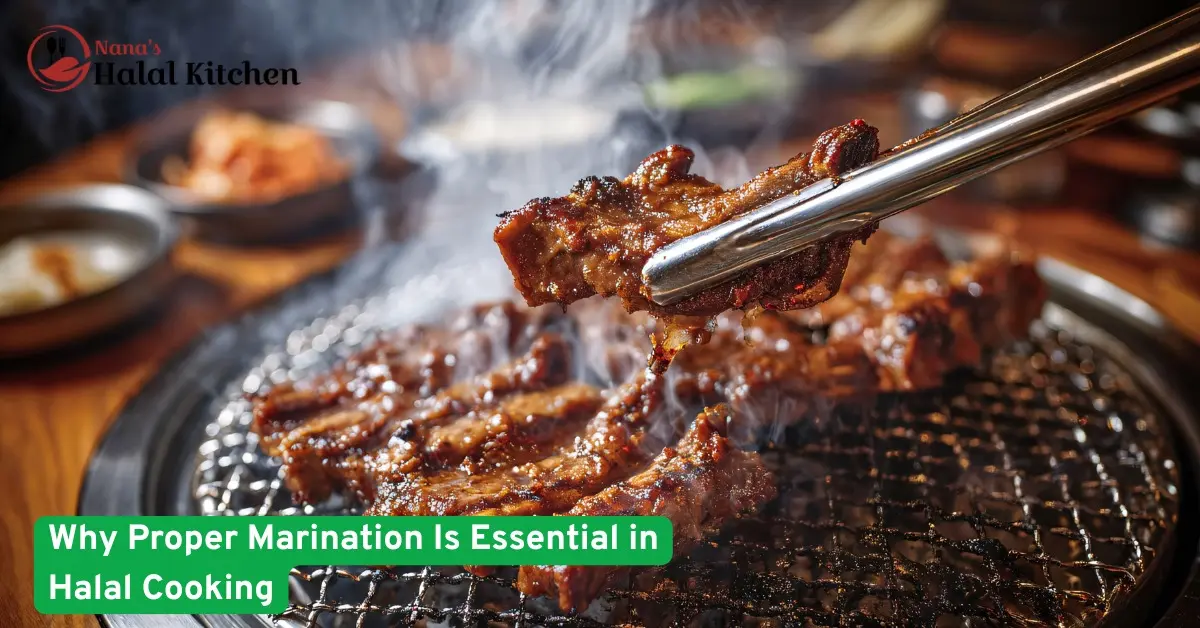
Kebabs

Seasoned meat grilled over an open flame.

Butter Chicken

Tender chicken served in a rich tomato-based sauce.

Lamb Curry

Slow-cooked lamb combined with flavorful spices.

These dishes showcase the versatility and richness of halal cuisine.

Halal Meat Around the World

Halal food is enjoyed across many countries and cultures.

Regions with thriving halal food industries include:

  • United States
  • Canada
  • United Kingdom
  • Middle East
  • South Asia
  • Southeast Asia
  • Australia
  • Europe

As global demand continues to grow, halal options have become increasingly accessible in restaurants, supermarkets, and food delivery services.

Halal Meat and Food Safety

Food safety is a priority in halal food preparation.

Halal standards often emphasize:

  • Clean processing facilities
  • Proper food storage
  • Safe transportation
  • Hygiene protocols
  • Ingredient traceability

These practices help maintain food quality and consumer confidence.

Understanding Halal vs. Non-Halal Meat

The primary differences involve:

Halal Meat Non-Halal Meat
Follows Islamic dietary laws Does not follow halal guidelines
Requires specific preparation standards May follow different standards
Includes halal certification options Certification not applicable
Emphasizes halal-compliant handling Varies by producer

Consumers often choose based on personal, religious, cultural, or dietary preferences.

Myths About Halal Meat

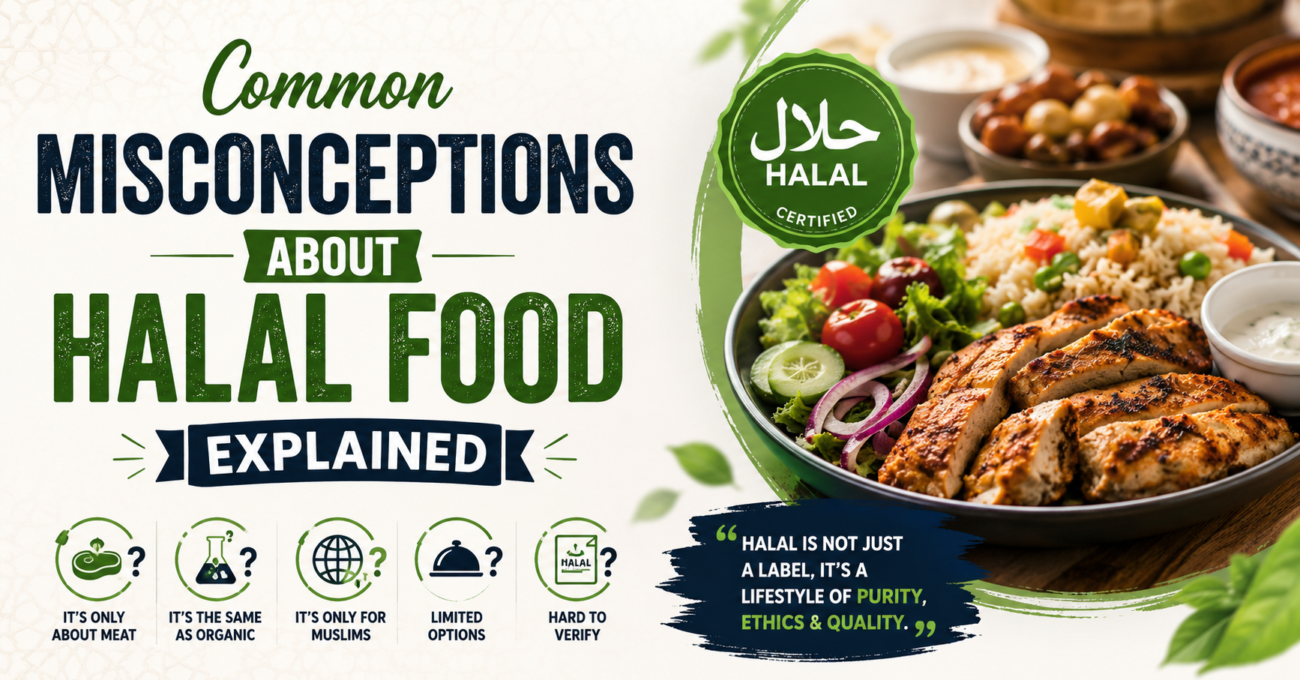
Myth 1: Halal Meat Is Only for Muslims

False. People of all backgrounds enjoy halal food for its quality, flavor, and preparation standards.

Myth 2: Halal Food Is Limited to Middle Eastern Cuisine

False. Halal dishes can be found in Indian, Pakistani, Mediterranean, Turkish, African, American, and many other cuisines.

Myth 3: Halal Food Has a Different Taste

Halal certification itself does not change flavor. Taste depends on ingredients, spices, recipes, and cooking techniques.

The Growing Popularity of Halal Cuisine

The halal food industry continues to expand worldwide due to:

  • Increasing consumer awareness
  • Diverse cultural communities
  • Growing demand for transparency
  • Expansion of halal-certified restaurants
  • Interest in international cuisine

Today, halal food is one of the fastest-growing sectors in the global food industry.

How to Identify Halal Restaurants

When looking for halal dining options, consider:

  • Halal certification displayed on-site
  • Clear menu labeling
  • Restaurant websites mentioning halal ingredients
  • Positive customer reviews
  • Transparent sourcing information

Choosing reputable halal establishments helps ensure an authentic dining experience.

Why Halal Meat Remains an Important Part of Global Cuisine

Halal meat represents more than a dietary practice. It reflects traditions of quality, ethical responsibility, cleanliness, and cultural heritage that have been followed for generations.

As halal cuisine continues to gain recognition worldwide, more people are discovering the diverse flavors and culinary traditions that halal food has to offer.

Conclusion

Understanding halal meat helps consumers appreciate the principles, standards, and traditions behind one of the world’s most widely practiced dietary systems. From ethical sourcing and food safety to authentic cultural recipes, halal meat plays an important role in cuisines across the globe.

Whether you’re exploring halal food for religious reasons, cultural curiosity, or simply to enjoy delicious meals, understanding halal practices can enhance your dining experience and help you make informed food choices.


Enjoy Authentic Halal Cuisine at Nana’s Halal Fusion Kitchen

At Nana’s Halal Fusion Kitchen, we proudly serve freshly prepared halal meals made with quality ingredients and authentic flavors. From flavorful biryanis and juicy gyros to delicious curries, burgers, wraps, and fusion specialties, our menu offers something for everyone.

Whether you’re dining with family, ordering takeout, or planning catering for a special event, we’re committed to providing exceptional halal food and outstanding service.

Visit Nana’s Halal Fusion Kitchen today and discover why our halal dishes are a local favorite. Order online, stop by for dine-in service, or contact us for catering information.

Frequently Asked Questions (FAQs)

What does halal meat mean?

Halal meat refers to meat prepared according to Islamic dietary guidelines and halal food standards.

Is halal meat healthier than regular meat?

Nutritional value depends on the type of meat and preparation methods. Many consumers appreciate halal meat because of its quality control and food handling standards.

Can non-Muslims eat halal meat?

Yes. Halal meat can be consumed by anyone regardless of religious background.

What meats are considered halal?

Chicken, beef, lamb, goat, turkey, and several other permitted animals can be halal when prepared according to halal guidelines.

How can I verify if meat is halal?

Look for halal certification labels, ask the restaurant or supplier, and verify sourcing information when available.

Why is halal certification important?

Certification helps ensure that food preparation, ingredients, and handling processes meet halal requirements.

What are some popular halal dishes?

Popular halal dishes include biryani, chicken tikka, kebabs, gyros, butter chicken, lamb curry, shawarma, and over-rice platters.

Leave a Reply

Your email address will not be published. Required fields are marked *