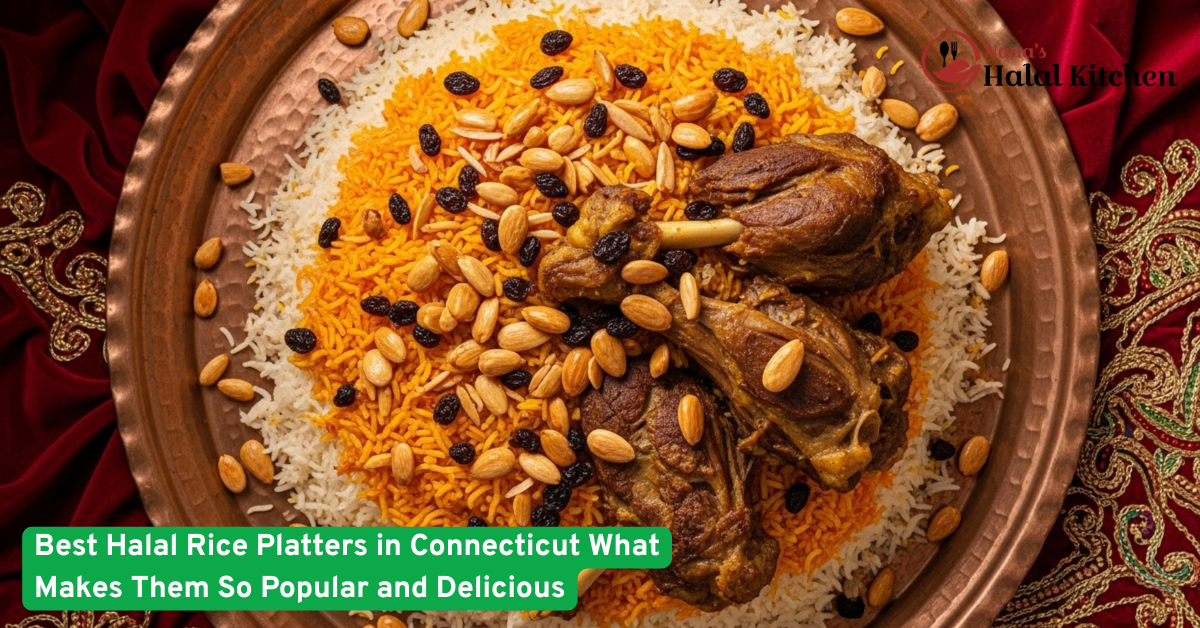
Halal food has become increasingly popular in the United States as more consumers seek food that meets Islamic dietary laws. For Muslims, eating halal food is an important part of practicing their faith. As the halal food industry grows, many businesses are seeking halal certification to prove that their food products meet these religious standards.
But what exactly does halal certification mean, and how does the certification process work in the USA? In this guide, we will explain everything you need to know about halal food certification, how it works, and why it is important for both businesses and consumers.
Understanding Halal Food
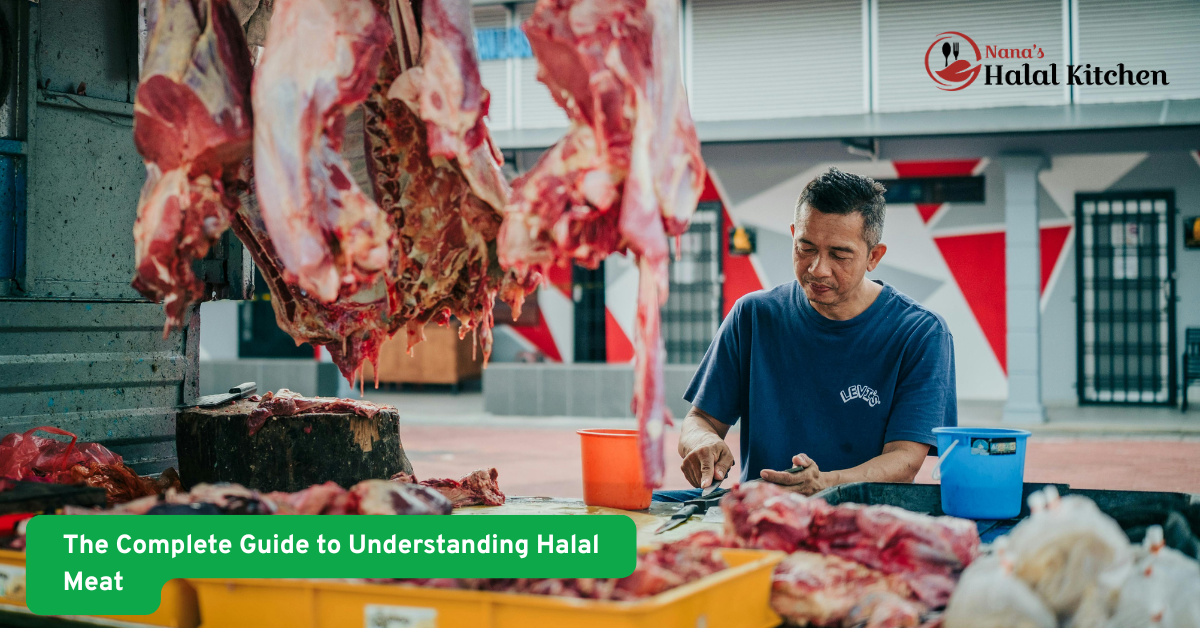
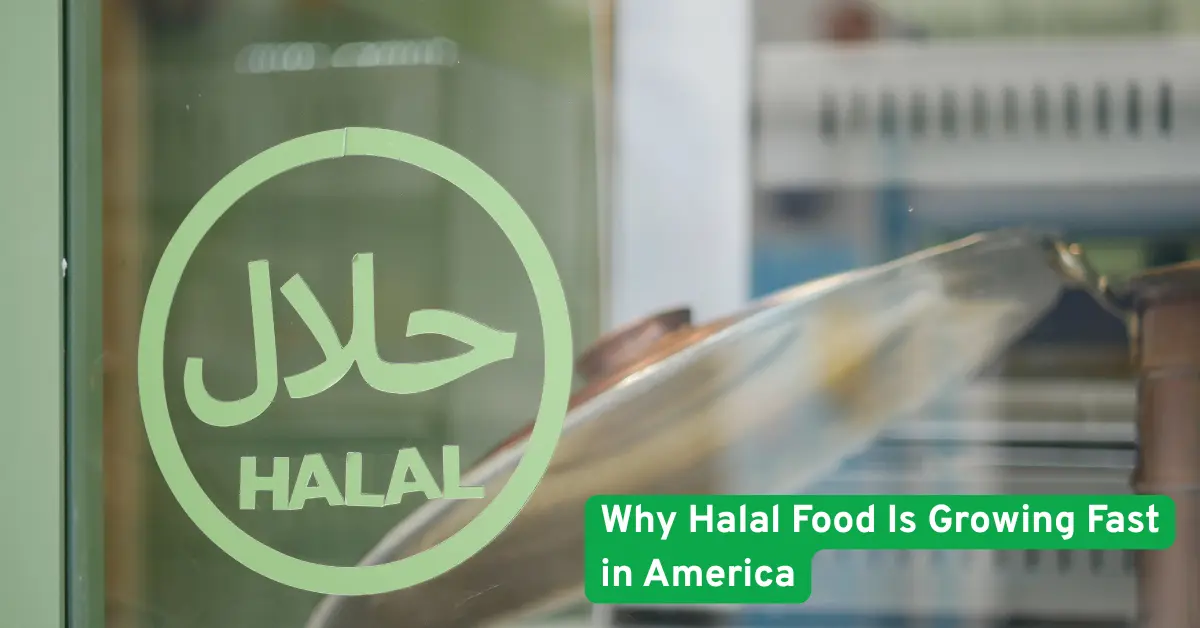
The word “halal” comes from Arabic and means permissible or lawful according to Islamic law. When it comes to food, halal refers to ingredients and preparation methods that comply with Islamic dietary guidelines.
Some key halal food principles include:
-
Animals must be slaughtered according to Islamic guidelines (Zabiha).
-
Pork and pork-derived products are strictly prohibited.
-
Alcohol and intoxicating substances are not allowed.
-
Food must not be contaminated with non-halal ingredients during preparation.
These rules ensure that the food Muslims consume is both spiritually and ethically acceptable.
Why Halal Certification Matters
Halal certification plays an important role in helping consumers trust that a product truly meets halal standards. Without certification, it can be difficult to verify whether a food product follows proper halal guidelines.
Here are a few reasons why halal certification is important:
1. Builds Consumer Trust
Certification assures Muslim consumers that the food they are buying meets halal requirements.
2. Expands Business Opportunities
Restaurants and food brands with halal certification can serve a larger Muslim customer base.
3. Ensures Compliance with Halal Standards
Certification agencies inspect ingredients, processes, and facilities to ensure compliance.
4. Supports the Growing Halal Market
The global halal food market is worth billions of dollars and continues to grow rapidly.
Because of these reasons, many restaurants, manufacturers, and food companies in the United States choose to obtain halal certification.
Halal Certification Bodies in the USA
Unlike some countries, the United States does not have a single national halal authority. Instead, several independent organizations provide halal certification.
Some well-known halal certification organizations in the USA include:
-
Islamic Food and Nutrition Council of America (IFANCA)
-
Halal Transactions of Omaha
-
Islamic Services of America (ISA)
-
Halal Food Council USA (HFC-USA)
These organizations evaluate food products, restaurants, and production facilities to ensure they meet halal standards.
The Halal Certification Process in the USA
The halal certification process typically involves several steps to ensure that food products comply with Islamic dietary laws.
Step 1: Application Submission
The first step is submitting an application to a halal certification organization. Businesses must provide detailed information about their products, ingredients, and production processes.
The application usually includes:
-
A list of ingredients used in products
-
Information about suppliers
-
Details about food preparation methods
-
Facility and equipment information
This helps the certification body understand the production process.
Step 2: Ingredient Review
After receiving the application, the certification body reviews all ingredients used in the product.
They check whether:
-
Any ingredients come from prohibited sources
-
Alcohol-based additives are used
-
Flavorings or emulsifiers contain non-halal components
If any questionable ingredients are found, the business may need to replace them with halal-compliant alternatives.
Step 3: Facility Inspection
A halal auditor may visit the food production facility, restaurant kitchen, or processing plant.
During the inspection, they check:
-
Food preparation procedures
-
Cross-contamination risks
-
Equipment cleanliness
-
Storage methods
-
Handling of halal and non-halal products
The goal is to ensure that halal products are not contaminated during processing.
Step 4: Compliance Verification
Once the facility inspection is completed, the certification body verifies that the company complies with halal guidelines.
If any issues are found, the business may be asked to make adjustments before certification can be approved.
Common changes may include:
-
Using halal-certified meat suppliers
-
Updating food preparation procedures
-
Separating halal and non-halal equipment
Step 5: Certification Approval
If the business successfully meets all requirements, the halal certification body issues a halal certificate.
This certificate allows the business to:
Most halal certificates are valid for one year, after which the business must renew the certification.
Halal Certification for Restaurants
Restaurants that want to serve halal food must follow similar procedures.
To obtain halal certification, restaurants typically must:
-
Use halal-certified meat suppliers
-
Avoid pork or alcohol-based ingredients
-
Maintain strict food handling practices
-
Prevent cross-contamination with non-halal foods
Many halal restaurants proudly display their certification to reassure customers that their meals meet Islamic dietary standards.
Challenges in Halal Certification
Although halal certification offers many benefits, some businesses face challenges during the process.
Lack of Standardization
Because multiple certification organizations exist, standards may vary slightly between certifiers.
Ingredient Complexity
Modern food products often contain complex ingredients that must be carefully verified.
Cost and Documentation
The certification process requires documentation, inspections, and fees.
Despite these challenges, halal certification remains an important step for businesses serving Muslim consumers.
The Future of Halal Food Certification in the USA
The demand for halal food in the United States is steadily increasing as the Muslim population grows and more consumers seek ethical and high-quality food.
Many non-Muslim consumers are also attracted to halal food because of its:
As awareness increases, halal certification will continue to play a crucial role in the American food industry.
FAQs About Halal Food Certification
1. Who provides halal certification in the USA?
Several independent organizations provide halal certification, including IFANCA, Halal Transactions of Omaha, and Islamic Services of America.
2. Is halal certification mandatory in the United States?
No, halal certification is voluntary. However, many businesses obtain certification to build trust with Muslim customers.
3. How long does halal certification last?
Most halal certificates are valid for one year and must be renewed through inspections and audits.
4. Can restaurants serve halal food without certification?
Some restaurants serve halal food without certification, but certification provides greater assurance to customers.
5. What products can receive halal certification?
Many products can be halal-certified, including meat, snacks, beverages, cosmetics, and pharmaceuticals.
Final Thoughts
Halal food certification plays an important role in ensuring that food products follow Islamic dietary laws. By reviewing ingredients, inspecting facilities, and verifying food preparation practices, certification bodies help guarantee that halal food meets strict standards.
For businesses, halal certification can open the door to a rapidly growing market and build strong trust with customers who seek halal-compliant meals.
Call to Action
Looking for fresh, delicious halal food in Manchester, CT?
Visit Nana’s Halal Kitchen and enjoy a wide variety of halal dishes prepared with high-quality ingredients and authentic flavors. Whether you’re craving rice platters, halal Chinese fusion, or classic comfort food, our menu has something for everyone.
👉 Explore our menu today:
https://nanashalalkitchen.com/
Come experience the taste of fresh halal cuisine made with care.