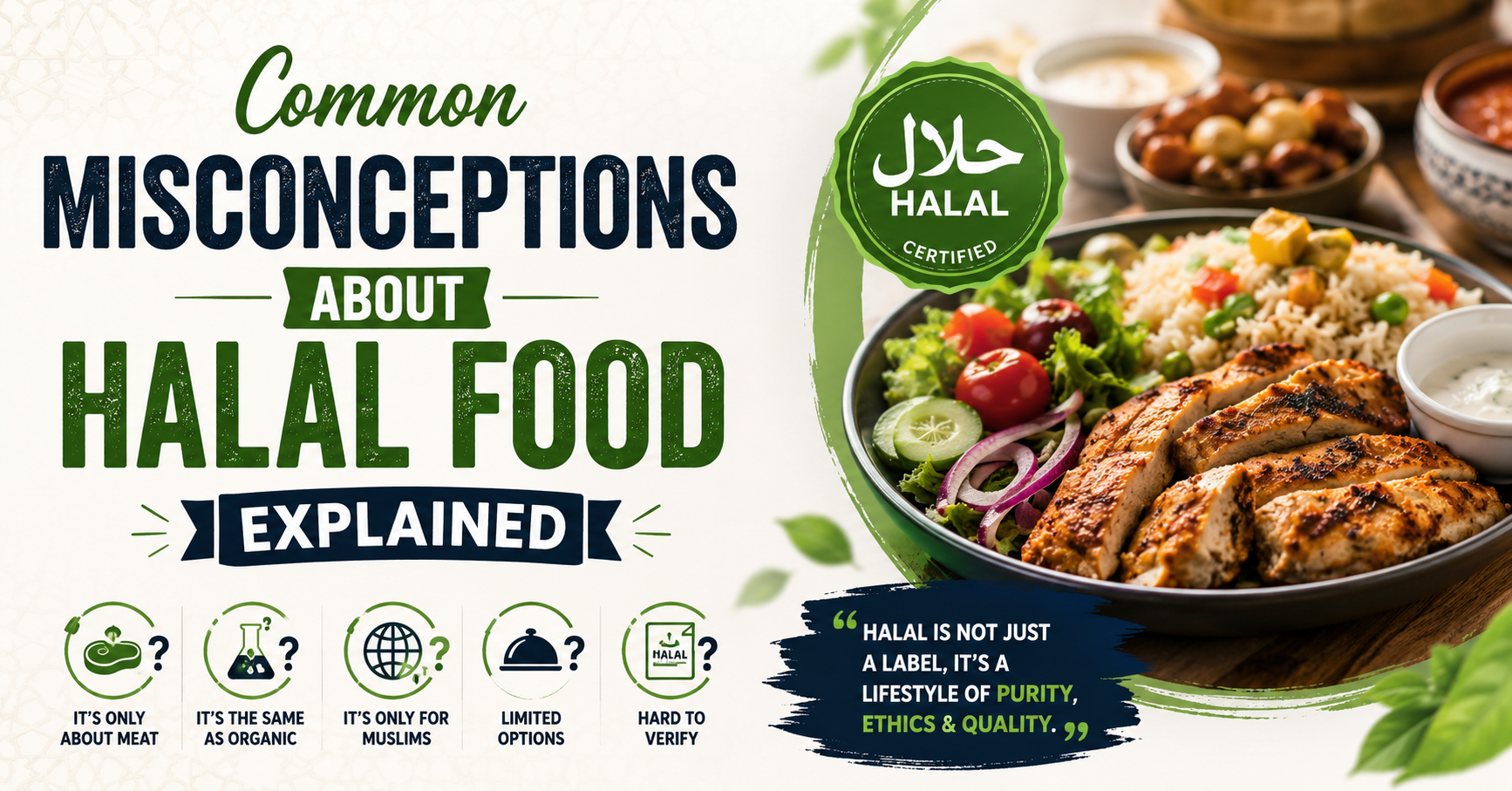
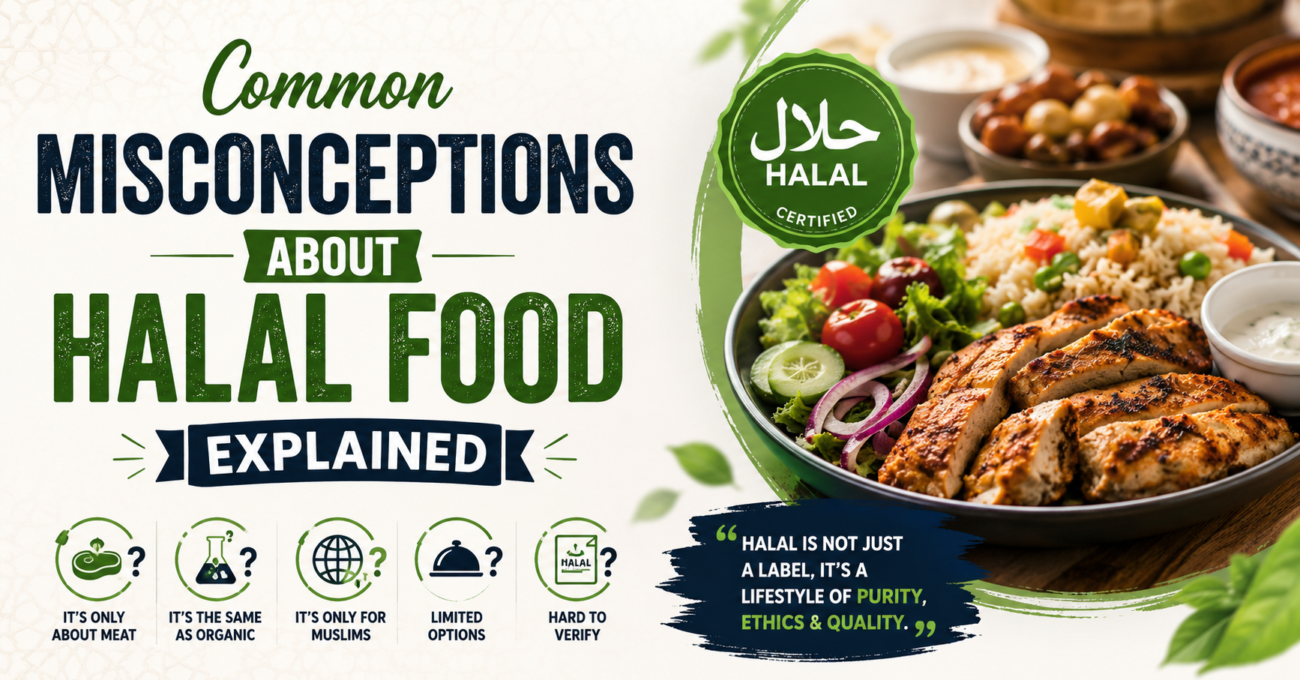
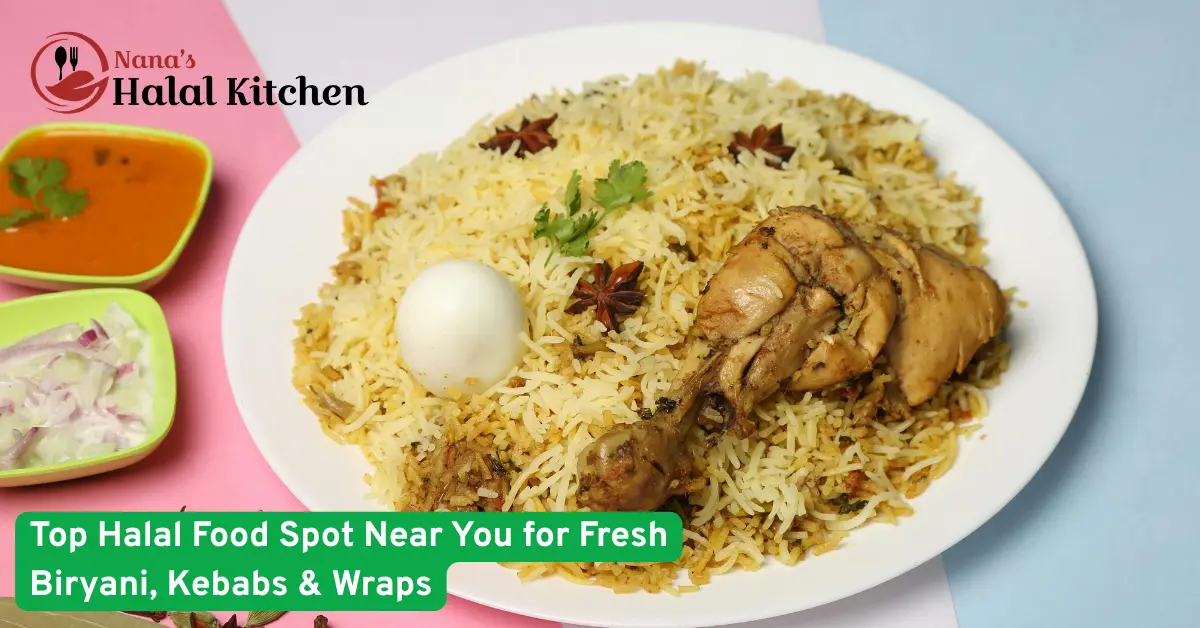
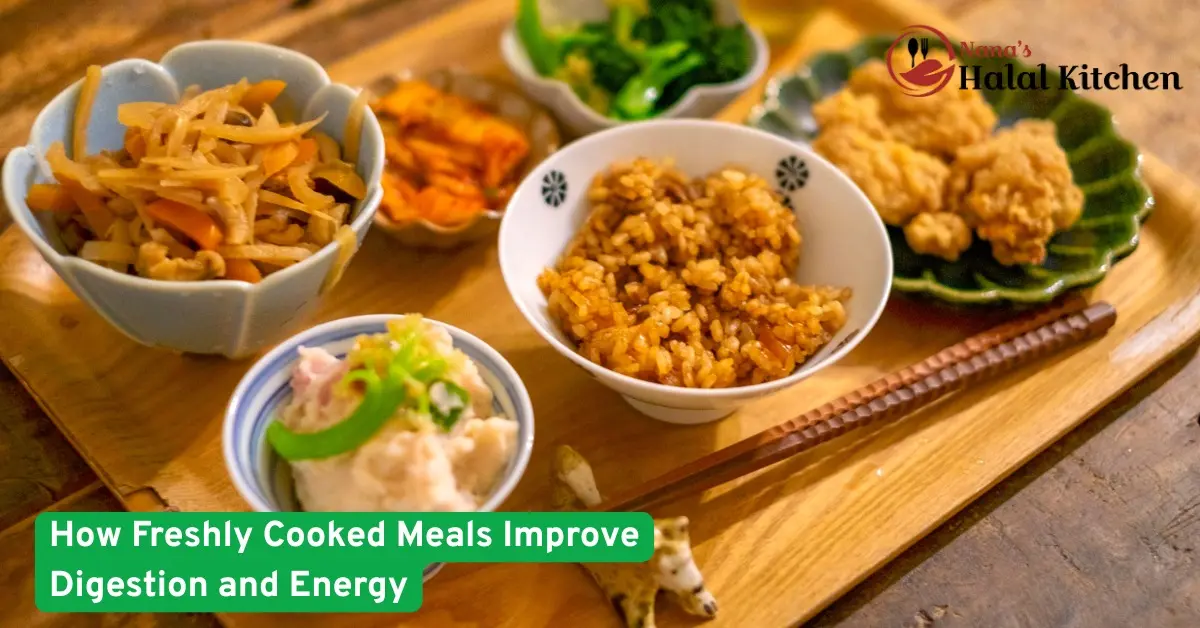
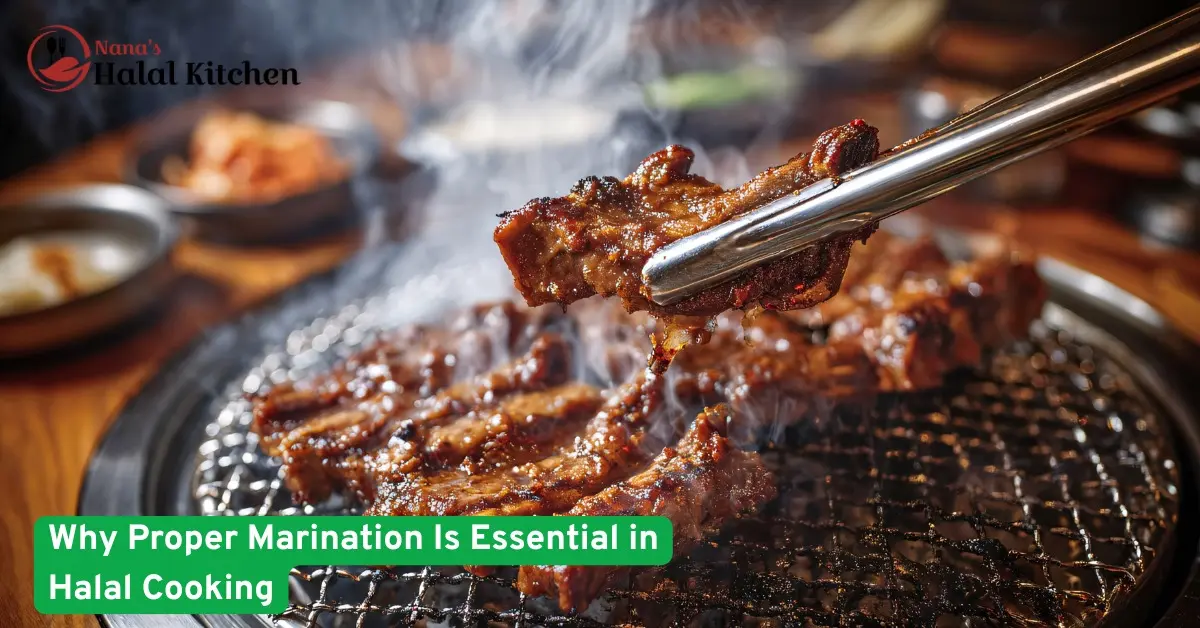
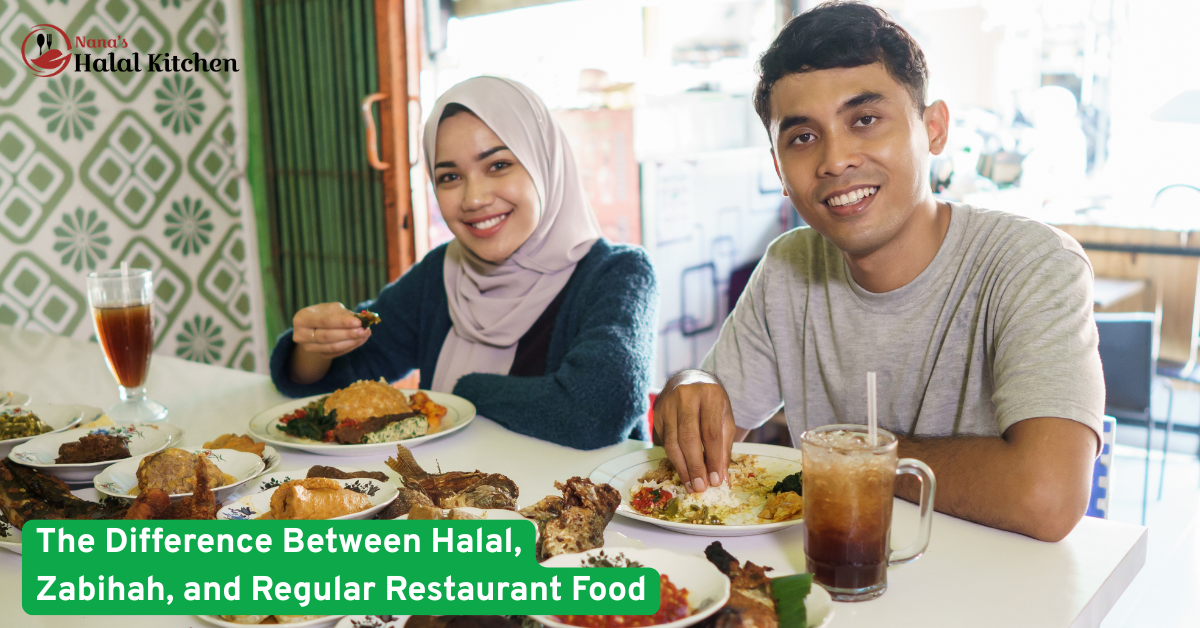
Many Americans believe halal food is only for Muslims, has a unique flavor, or follows outdated traditions. In reality, halal food is simply food prepared according to Islamic dietary guidelines, with an emphasis on cleanliness, ethical animal welfare, and permitted ingredients.
These misconceptions often stop people from trying halal restaurants or understanding what halal certification really means. We will explain the most common myths about halal food, why they are incorrect, how halal standards work in the United States, and what consumers should know before choosing a halal meal.
Why Do So Many People Misunderstand Halal Food?
Many misconceptions exist because halal food is often discussed without explaining what it actually means. Some people confuse halal with a specific cuisine, while others assume it is only a religious practice that does not affect food quality. Limited education, social media myths, and unfamiliarity with Islamic dietary laws have also contributed to misunderstandings.
These misconceptions can cause several problems. Customers may avoid restaurants that serve halal food, assume the menu has limited options, or believe halal meals taste different from other foods. Restaurant owners also face challenges because they spend time correcting myths instead of simply serving great food.
Understanding the facts helps both Muslim and non-Muslim consumers make informed choices.
Is Halal Food Only for Muslims?
No. Halal food is available for everyone, regardless of religion.
One of the biggest misconceptions is that halal food is exclusively for Muslims. While Muslims choose halal food because of their faith, anyone can enjoy halal meals. Across the United States, people from many backgrounds regularly eat at halal restaurants because they enjoy the flavors, appreciate the quality of ingredients, or prefer restaurants that follow strict food preparation standards.
Just as vegetarian, kosher, or gluten-free meals are enjoyed by people with different preferences, halal food is open to everyone.
Many families also choose halal restaurants because they offer fresh ingredients, grilled meats, healthy side dishes, and diverse menu options.
Does Halal Food Taste Different?
No. Halal certification does not determine the flavor of food.
The taste depends on the recipe, seasoning, cooking method, and ingredients used by the restaurant. A halal burger tastes like a burger. A halal steak tastes like steak. A halal pizza tastes like pizza when prepared with halal-certified ingredients.
People sometimes believe halal food has a unique spice blend or stronger flavor, but halal is not a style of cooking. It is a dietary standard.
For example:
- Halal Mexican food still tastes Mexican.
- Halal American barbecue still tastes like traditional barbecue.
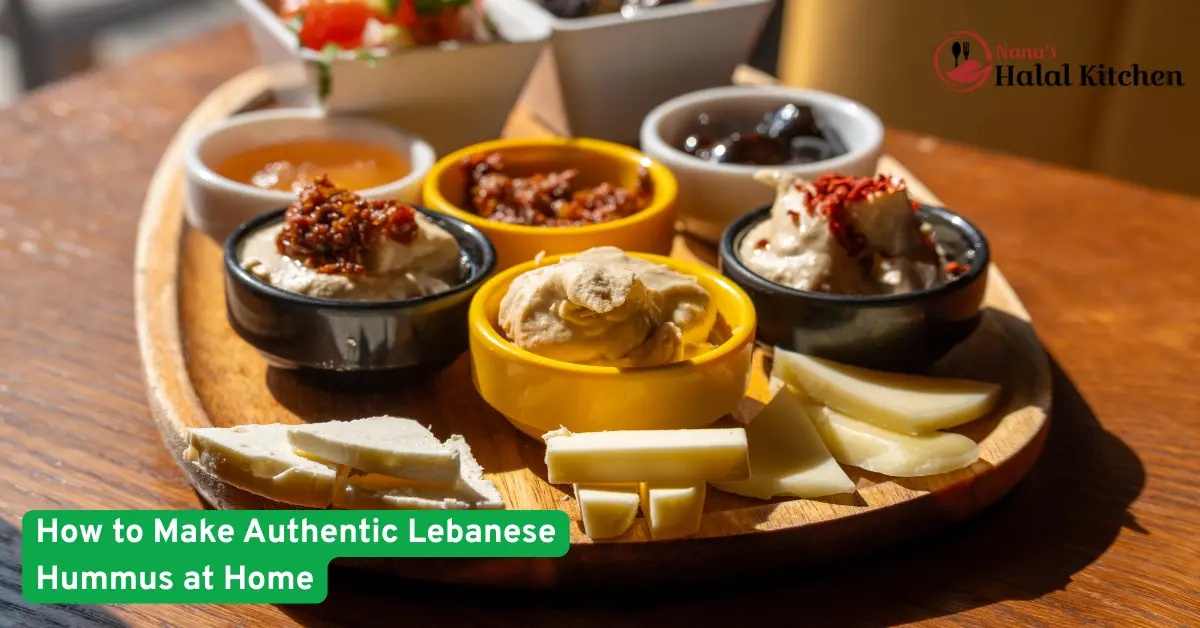
- Halal Lebanese food keeps its authentic Mediterranean flavors.
- Halal burgers remain classic American burgers.
Cuisine creates the flavor. Halal determines whether the ingredients and preparation meet Islamic dietary requirements.
Is Halal Food Always Middle Eastern Food?
No. Halal food includes cuisines from around the world.
This misconception is common because many popular halal restaurants serve Middle Eastern dishes. However, halal is not connected to one country or culture.
You can find halal versions of many popular foods in the United States, including:
- American burgers
- Fried chicken
- Pizza
- BBQ
- Mexican tacos
- Pakistani biryani
- Indian curries
- Turkish kebabs
- Indonesian dishes
- African cuisine
- Mediterranean specialties
As more restaurants become halal-certified, customers have more choices than ever before.
Does Halal Mean Healthier Food?
Not necessarily.
Halal standards focus on permitted ingredients and proper preparation rather than nutritional value.
A grilled halal chicken salad may be very nutritious, while a halal cheeseburger with fries contains more calories. Both meals can be halal.
Healthy eating depends on factors such as portion size, cooking method, vegetables, whole grains, and overall balance—not simply whether the food is halal.
Halal certification ensures compliance with Islamic dietary rules, but consumers should still choose meals that fit their personal health goals.
Does Halal Food Require Special or Exotic Ingredients?
No. Most halal meals use the same everyday ingredients found in American kitchens.
Chicken, beef, rice, vegetables, bread, cheese, herbs, spices, pasta, and fresh produce are all commonly used in halal cooking. The difference is that meat comes from halal-certified sources, prohibited ingredients such as pork are excluded, and food is prepared according to halal requirements.
For many recipes, the ingredients look almost identical to non-halal versions.
Is Halal Meat Less Humane?
No. In fact, humane animal treatment is one of the core principles of halal.
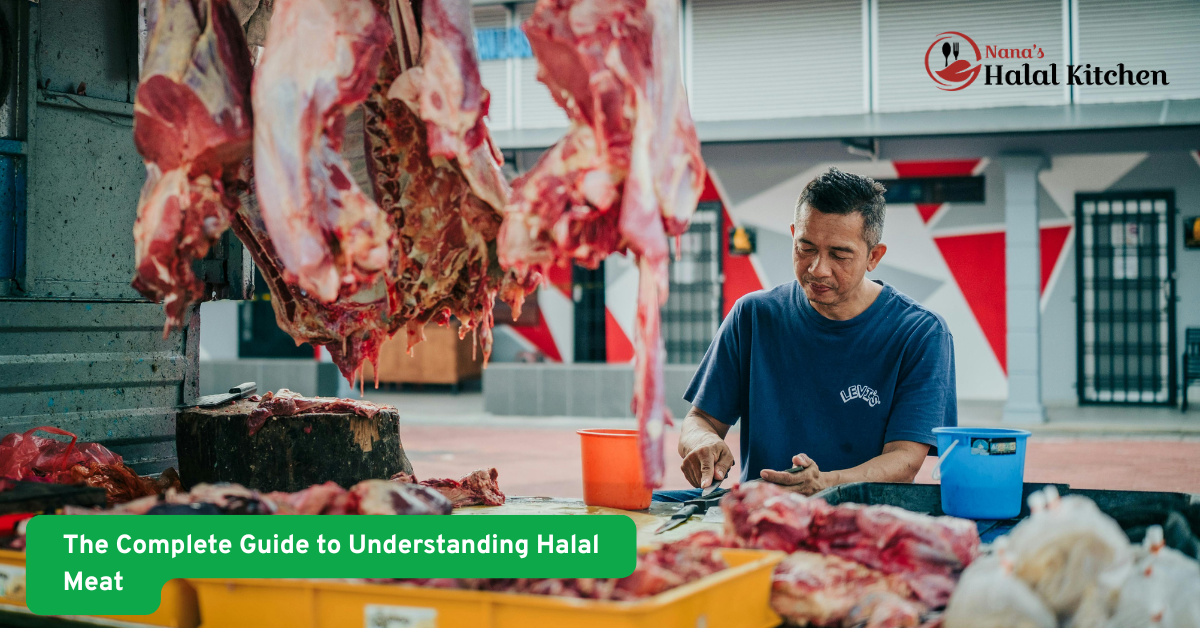
Islamic dietary laws require animals to be treated with care before slaughter. They must receive food, water, and proper handling, and unnecessary suffering is prohibited.
Many consumers are surprised to learn that ethical treatment is an important part of halal certification. While farming practices vary by producer, halal standards emphasize respect for the animal throughout the process.
This focus on ethical treatment is one reason many people choose halal-certified meat.
Is Halal Food More Expensive?
Not always. Halal food can cost the same as non-halal food, though some halal meat may carry a slightly higher price because of certification, sourcing, and supply-chain requirements.
In many U.S. cities, halal restaurants compete directly with other restaurants in the same category. A halal burger, chicken platter, or pizza is often priced similarly to nearby non-halal options.
What this really means is that price is usually determined by:
- Ingredient quality
- Restaurant location
- Portion size
- Labor costs
- Halal certification and sourcing
Customers should compare value, not assume halal automatically means expensive.
Is Halal Certification Just a Marketing Label?
No. Genuine halal certification involves documented standards, supplier verification, ingredient review, and inspection processes.
In the United States, reputable halal certifiers check that:
- Meat comes from approved halal suppliers.
- Pork ingredients are excluded.
- Alcohol-based ingredients are handled according to certification rules.
- Preparation procedures meet halal requirements.
- Records can be traced through the supply chain.
Why it matters
Certification is about verification:
A restaurant may use halal ingredients without formal certification, but certification gives customers an extra layer of transparency and accountability.
Does “Halal” Mean “Organic” or “Antibiotic-Free”?
No. Halal and organic are different standards.
| Halal |
Organic |
| Religious dietary compliance |
Agricultural production standard
|
| Focuses on permitted ingredients and preparation |
Focuses on farming practices |
| May be organic or non-organic |
May be halal or non-halal |
th halal and organic, but one does not automatically imply the other.
Can Halal Food Contain Alcohol?
Generally, halal food excludes intoxicating alcohol as an ingredient.
For example, a halal restaurant would avoid cooking with wine or serving dishes that rely on alcoholic beverages for flavor. Some certification programs have detailed rules about trace amounts from food processing, but the practical consumer takeaway is simple: halal meals are intended to avoid alcohol as a food ingredient.
Why Does Halal Certification Matter in the United States?
For Muslim consumers, certification provides confidence that the meal follows Islamic dietary rules. For non-Muslim consumers, it signals clear sourcing and preparation standards.
In a diverse country like the United States, halal certification helps restaurants serve a wider audience, including Muslim families, travelers, students, and professionals who need reliable dining options.
It also reduces confusion when customers are choosing between restaurants.
How Can You Identify a Truly Halal Restaurant?
Look for specific signals rather than assumptions.
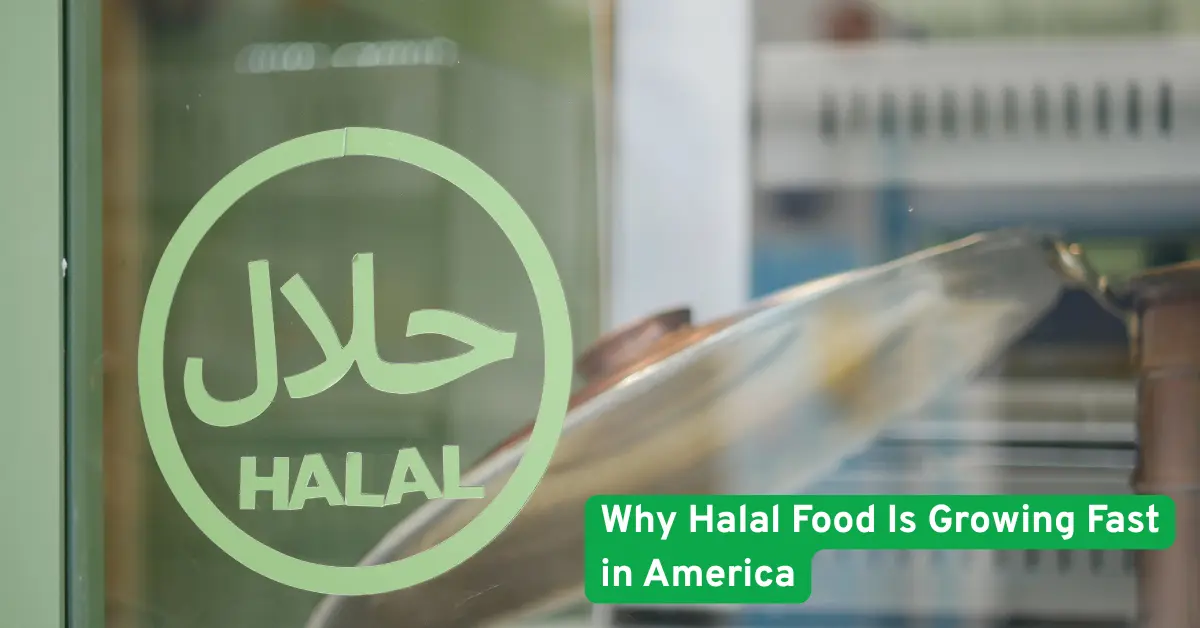
Clear halal signage
Good sign
The restaurant openly states that it serves halal food.
Certification information
Best sign
Menus, websites, or certificates identify the halal supplier or certifying body.
Staff can answer questions
Good sign
Employees know where the meat comes from and how it is prepared.
Avoid vague claims
Red flag
Be cautious if a restaurant says “mostly halal” but cannot explain its sourcing.
When in doubt, ask directly. Reputable halal restaurants are usually happy to explain their standards.
What Is the Biggest Takeaway?
The biggest misconception is that halal food is mysterious, restrictive, or fundamentally different from everyday food. It is not. Halal is a dietary standard that focuses on permitted ingredients, ethical preparation, and clear sourcing. The burger, pizza, taco, or barbecue you already enjoy can be halal when made with halal-certified ingredients.
For American consumers, the practical question is not “Is halal food different?” but “Was this food prepared according to halal standards?” Once that distinction is clear, most of the confusion disappears.
Looking for halal food you can trust?
Visit Nana Halal Kitchen for halal meals made with quality ingredients, clear sourcing, and authentic flavors.
FAQs
Can seafood be halal?
Yes. Most Islamic scholars consider fish and many seafood items halal, though some schools of thought have specific rulings on certain shellfish.
Are halal and kosher exactly the same?
No. They share some similarities, such as restrictions on pork, but they follow different religious laws and certification systems.
Can a restaurant serve both halal and non-halal food?
Yes, but customers should ask whether separate sourcing, storage, and preparation procedures are used to prevent cross-contamination.
Do halal rules apply to desserts?
Yes. Gelatin, flavorings, extracts, and other dessert ingredients must also meet halal requirements.
Why do some halal restaurants display multiple certification logos?
They may use certified meat from one supplier and certified processed ingredients from another, so multiple logos help document the full supply chain.